

Restaurant POS System Cost in the Philippines: A complete guide to software, hardware, and setup fees for your business.
Running a restaurant successfully goes far beyond preparing good meals. Behind every efficient operation is a system that keeps orders accurate, payments seamless, and business performance measurable. Understanding the restaurant POS system cost is vital before making an investment.
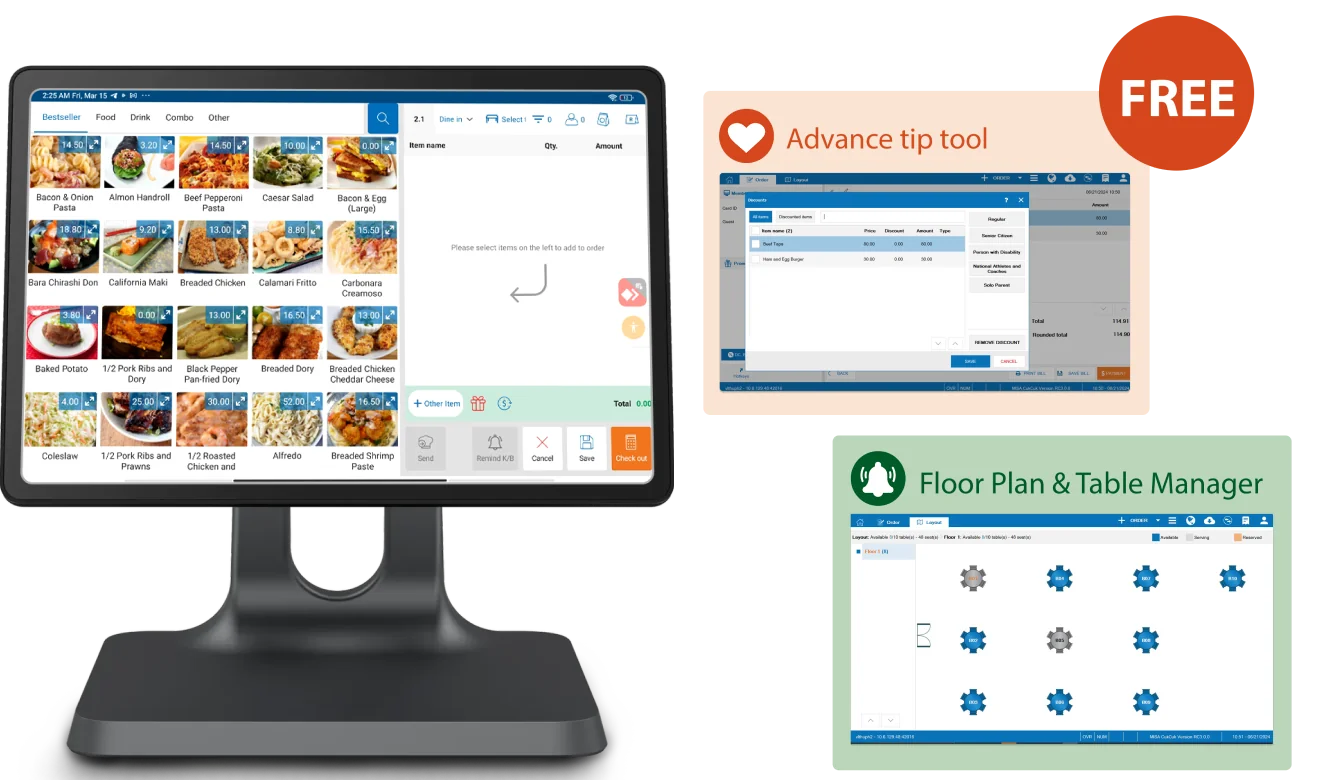
Today’s POS platforms are no longer simple cash registers. Modern systems can manage order-taking, billing, inventory, kitchen routing, and real-time analytics all in one place essentially acting as the digital backbone of your operations.
But the big question remains:
How much does a POS system cost for a restaurant?
The total cost depends on several factors. These include the size of your business, the hardware required, and the specific features you want. Below is a breakdown to help you plan your budget more accurately and avoid hidden charges.
Types of Restaurant POS Systems
Before we look at pricing, it’s important to understand the kinds of POS systems available. Your chosen setup will affect your total investment.
Cloud-Based POS
Cloud-based POS systems are the most widely used option today.
Key features include:
-
Operates online using cloud servers
-
Runs on tablets, smartphones, or laptops
-
Subscription-based pricing
-
Remote system access
-
Automatic updates
-
Easy to scale
Best for small cafés, food stalls, and mid-sized restaurants.
On-Premise POS
This is a traditional setup where data is stored locally.
Key features:
-
One-time software license
-
Runs through dedicated POS hardware
-
Works offline
-
Requires IT support for maintenance
Often used by large or complex restaurants that want complete control.
Hybrid POS
Hybrid POS combines cloud and offline capabilities.
Benefits include:
-
Cloud access for reporting
-
Local backups
-
Internet-independent continuity
-
Ideal for multi-branch setups
Recommended for businesses with inconsistent connectivity.
Cost Breakdown of a Restaurant POS System
Understanding the full pricing structure is vital for your budget. Below is a breakdown of expenses, including hardware, setup, and monthly software subscription fees.
Software Costs
Subscription Fees
Expect monthly software fees ranging from ₱1,395 to ₱3,995 per terminal.
This usually includes:
-
Core POS software
-
Regular updates
-
Basic technical support
Add-on Modules
Optional features may include:
-
Loyalty programs
-
Online ordering
-
Delivery marketplace integrations
-
Multi-outlet management
-
Inventory tracking
These may come with additional monthly costs.
Onboarding & Training
Some vendors charge onboarding fees to configure the system and train your staff.
Costs typically range from ₱5,000 to ₱20,000, depending on complexity.
Hardware Costs
Hardware requirements differ based on your restaurant layout.
| Item | Cost Range |
|---|---|
| Touchscreen Terminals / Tablets | ₱15,000–₱50,000 |
| Receipt Printer | ₱5,000–₱15,000 |
| Cash Drawer | ₱3,000–₱10,000 |
| Kitchen Display Screen | ₱15,000–₱40,000 |
| Barcode Scanner | ₱2,000–₱8,000 |
Some providers offer bundled hardware packages that lower costs.
Payment Processing Fees
If you accept digital payments, transaction fees will apply.
Average rate: 1.5%–3% per payment
Rates vary depending on:
-
card brand
-
provider
-
payment volume
-
business type
Installation & Setup
This may include:
-
Hardware installation
-
Menu setup
-
Device configuration
-
Staff training
Installation fees range between ₱5,000 and ₱30,000.
Some POS providers waive this fee for long-term contracts.
Repairs, Support & Maintenance
Depending on your vendor, ongoing maintenance costs may include:
-
24/7 support
-
Priority support tiers
-
Extended warranty fees
Hardware replacement may cost ₱1,000–₱5,000 yearly per device.
One-Time vs Recurring Costs
| Category | Frequency | Estimated Cost |
|---|---|---|
| Software Subscription | Monthly | ₱1,395–₱3,995 per terminal |
| Hardware | One-time | ₱20,000–₱100,000+ |
| Installation/Training | One-time | ₱5,000–₱30,000 |
| Payment Fees | Ongoing | 1.5%–3% per transaction |
| Add-ons | Monthly/One-time | varies |
Cost Estimates by Restaurant Size
Small / Startup Restaurants
-
1–2 devices
-
Basic features
Estimated total: ₱50,000–₱80,000
Medium Restaurants
-
3–5 devices
-
KDS / multiple printers
Estimated total: ₱80,000–₱150,000+
Large / Full-Service Restaurants
-
Advanced hardware
-
Multiple branches
-
Enterprise tools
Estimated total: ₱150,000–₱300,000+
Hidden Fees to Watch Out For
Be aware of:
-
Early cancellation charges
-
Forced plan upgrades
-
Additional device fees
-
Extra user fees
-
Chargeback fees
-
Custom report charges
-
Locked contracts
Tips When Budgeting for a POS
-
Begin with essential features
-
Scale up as needed
-
Ask for bundled hardware pricing
-
Compare vendor support options
-
Request multiple quotes
-
Test demos before deciding
-
Plan for future expansion
Conclusion
A reliable POS system is an investment in your restaurant’s growth. Entry-level setups can start around ₱50,000, while advanced multi-branch systems can exceed ₱300,000, depending on the hardware and features you need.
A well-selected POS helps reduce mistakes, speed up service, improve customer satisfaction, and provide data-driven insights. Focus on long-term value instead of simply comparing costs, and choose a POS that supports your restaurant today and as it grows.
Ready to find the perfect fit for your budget? Schedule a demo with us today to see exactly how our system can streamline your operations and boost your profits.